Learning to Give, Curriculum Division of The LEAGUE

The LEAGUE

Hurricane Katrina / Great Hanshin-Awaji Disaster Collaboration
Unit of 3 lessons
printEmail this Unit Overview

Unit Overview:

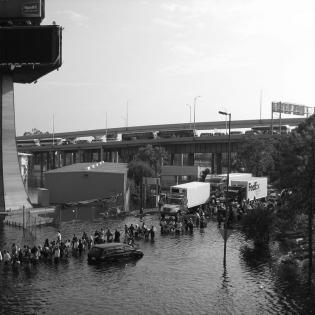
This unit introduces learners to different types of natural disasters, exploring how their potential devastation could be reduced, and how during and in their aftermath, individuals, civil society organizations and government can provide assistance to help those impacted by the devastation. This unit was created as part of a collaborative initiative on promoting youth philanthropy education through a global network between the United States and Japan.


Unit Purpose:

The purpose of this unit is to learn why and how natural disasters provide citizens of the world opportunities to help those affected by natural disasters.
As one person, how can I make a difference in the wake of a natural disaster?

Unit Objectives:

The learner will:

  • define natural disaster.
  • identify recent national and international natural disasters.
  • share their personal memories and/or experiences of national and/or international natural disasters.
  • research and compare/contrast two natural disasters, Hurricane Katrina and the Great Hanshin-Awaji Disaster.
  • identify the terms “honoring” and “preparedness” as ways of dealing with disasters.
  • identify the need for and the variety of human responses to national/international natural disasters.
  • identify potential for state/local natural disasters.
  • identify rationale for preparing for these potential natural disasters.
  • identify methods of preparedness for these potential natural disasters.
  • define community capital.
  • identify role(s) that community capital plays before, during, and after an the occurrence of a natural disaster.
  • identify a variety of natural disaster relief agencies and what they do.
  • identity the ways individual citizens can help during and in the after math of natural disasters.
  • explore the concept of shared humanity and how natural disasters provide citizens of the world opportunities to help those affected by natural disasters.

Service Experience:

Although lessons in this unit contain service project examples, decisions about service plans and implementation should be made by students, as age appropriate.

Optional: Assist the class in identifying a “relief effort” designed to help people who have been affected by a natural disaster, devise and implement a plan of action that involves the entire school in this relief effort.

Unit Assessment:

The learners’ involvement in the classroom discussions, the depth of their thinking and reflections, the comprehensiveness of their journal responses as well as the effectiveness of their presentations, will form the basis for the evaluation of these lessons. (If the Experience Component is a part of this unit, the learners’ involvement in the service project should also be considered as an opportunity for assessment.)

School/Home Connection:

Have the learners “interview” their family members about the “natural disaster’ that they most vividly recall from the past and how this impacted their life and thinking.
The learners could challenge their families to identify preparedness programs for their home in the event of a local natural disaster. 

State Curriculum and Philanthropy Theme Frameworks:

See individual lessons for benchmark detail.

Lessons Developed and Piloted By:

Jeanette Vanausdall
University High School
2825 W 116th St.
Carmel, Indiana 46032

Submit a Comment

All rights reserved. Permission is granted to freely use this information for nonprofit (noncommercial), educational purposes only. Copyright must be acknowledged on all copies.

Copyright © LearningToGive.org