Global Education: Equity
What are the effects of educating every child in the world?
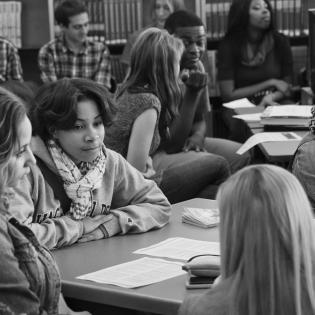
Photo Credit: RDECOM presents STEM opportunities at Edgewood High School by U.S. Army RDECOM CC by 2.0
Young people analyze the effects of education on individuals, communities, and the world. They demonstrate that we are all connected and that others are affected by things that we believe only affect us. They learn about gender inequality in schools globally and explore policies for achieving universal primary education for kids all over the world.
Youth explore the effects on themselves, the community, and the world if the government failed to provide U.S. children with an education.
A cooperative game demonstrates that we are all connected and that others are affected by things that we may believe only affect us. They read about and discuss gender inequality in global schools and explore what policies and measures are in place for achieving universal primary education for kids all over the world.
Young people learn about global efforts for universal mandatory education and equity for girls in school.