Choices of Ida B. Wells
Young people view primary documents about leader Ida B. Wells in the late 1800s and identify the fundamental components of philanthropic leadership through difficult times.
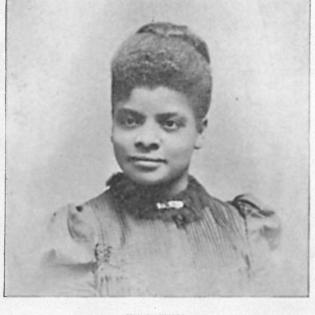
The learner will:
- identify philanthropic contributions of Ida B. Wells.
- access to YouTube The video: Ida B. Wells, A Passion for Justice
- worksheet for Video: Ida B. Wells, a Passion for Justice (see Handout below)
- links to primary documents written by Ida B. Wells
PBS Video: Ida B. Wells, A Passion for Justice available on YouTube
Instructions
Anticipatory Set:
Ask young people how living through COVID-19 will make an impression on their future behavior. Ask one or two volunteers to share their experiences.
Introduce Ida B. Wells as an African American woman born into slavery in 1862, whose parents valued education. She lost her parents early to a pandemic, and spent her life focused on justice for African Americans and women. She was a teacher, journalist, and speaker. Her mission in life was deeply affected by what happened early in her life.
Distribute Worksheet for Video: Ida B. Wells, a Passion for Justice (below) and preview the questions before watching the video. May be assigned as homework. They can take notes as they watch the hour-long video.
Discuss the film questions in two equal groups (modified fishbowl technique). Group A will be in the inner circle. Each person will have a partner from group B sitting directly facing them. Group A participants speak directly to the Group B person facing them. Group A and Group B participants take turns asking and answering questions and then discussing.
- What incidents in Ida Well's childhood contributed to her involvement in activities for the common good?
- What pivotal moment or moments in her life compelled her to take action that would benefit others?
- What personal characteristics did she demonstrate that would make her an effective leader regardless of the time period in which she lived?
- What was her contribution as an individual in bettering society?
- What were the main examples of how this person took private action for the common good of her society?
- What core democratic values did this person base her beliefs upon?
Young people explore the primary documents of Ida B. Well's work (see bibliography, above). Take notes on the behaviors, attitudes, and impact she made.
Optional: Write a personal essay about Ida B. Wells, describing how she combined her talents and passion for an issue to make a difference. Include a statement about how you can use your talent and passion to make a difference for fairness today.

Philanthropy Framework
-
Strand PHIL.II Philanthropy and Civil Society
-
Standard PCS 02. Diverse Cultures
-
Benchmark HS.2 Give examples from history of how intolerance of ideas, religion, and minorities contributed to social disintegration.
-
-
Standard PCS 05. Philanthropy and Government
-
Benchmark HS.10 Discuss the results of private citizen voluntary action intended for the common good on public policy changes.
-
Benchmark HS.12 Explain why private action is important to the protection of minority voices.
-
-
Standard PCS 06. Philanthropy in History
-
Benchmark HS.4 Describe how civil-society organizations developed throughout the history of the nation and world.
-
-
Standard PCS 07. Skills of Civic Engagement
-
Benchmark HS.2 Discuss a public policy issue affecting the common good and demonstrate respect and courtesy for differing opinions.
-
-