Learning to Give, Curriculum Division of The LEAGUE

The LEAGUE

Common Good in Aztec Culture
Unit of 3 lessons
printEmail this Unit Overview

Unit Overview:

This unit involves students in some simple research and sharing of information about the fascinating culture of the Aztecs. Between 1200 and 1500, the Aztecs grew in power and sophistication until they nearly dominated Mexico. In the 1500s, Spanish Conquerors, led by Cortes, nearly destroyed this civilization and built the present-day Mexico City on the site. One of the practices of the Aztecs was their use of human sacrifice to appease their gods. In this unit, the students attempt to understand the events leading to this practice and compare it to present-day examples of sacrifice. There are many opportunities for engaging discussions and debates in this unit, as well as a call to perform an act of kindness (that involves some form of sacrifice).

Unit Purpose:

Students learn about the Aztec culture and specifically about their religious practices and sacrifices to the gods. Discussions on the nature of sacrifice bring up the concepts of benefits and opportunity costs of specific personal or group sacrifices.

Unit Objectives:

The learner will:

  • read about the Aztec culture.

  • identify the cultural, economic and social advancements of the Aztec culture.

  • explain how human sacrifice came to be required and acceptable.

  • relate Aztec sacrifice to sacrifice in other contexts.

  • explore opportunity costs of doing things for the common good.

  • discuss and come to consensus about when a sacrifice violates individual rights or when the cost exceeds the benefits.

  • write a personal goal to make a small sacrifice.

  • write about the benefits and opportunity costs of a performed sacrifice.

Service Experience:

Although lessons in this unit contain service project examples, decisions about service plans and implementation should be made by students, as age appropriate.

In Lesson Three: What Is Sacrifice? students perform an act of personal sacrifice with a measurable opportunity cost that benefits someone else or the common good.

Unit Assessment:

  • Assess students’ understanding of the culture of the Aztecs by observing their reports and contributions to the discussion. Reports should be accurate and stay on assigned topic.

  • In Lesson Two: Aztec Religion, each student writes a brief essay about the Aztec religion and sacrifice for the common good. Essays should include the following topics:

    1. Aztec gods and what they did

    2. Importance of sacrifice to Aztecs

    3. Examples of sacrifice done for the common good

    4. Opinion.

  • Lesson Three: What Is Sacrifice? The students write a paragraph evaluating the costs and benefits of their acts of sacrifice. The paragraph should demonstrate understanding of the concepts of sacrifice, selflessness, opportunity costs and common good.

School/Home Connection:

  • Copy-and-Paste” Class/School Newsletter Information Insert:
    In our current unit of study, students are involved in some simple research and sharing of information about the fascinating culture of the Aztecs. Between 1200 and 1500, the Aztecs grew in power and sophistication until they nearly dominated Mexico. In the 1500s, Spanish Conquerors, led by Cortes, nearly destroyed this civilization and built the present-day Mexico City on the site. One of the practices of the Aztecs was their use of human sacrifice to appease their gods. In this unit, the students attempt to understand the events leading to this practice and compare it to present-day examples of sacrifice. There are many opportunities for engaging discussions and debates in this unit, as well as a call to perform an act of kindness (that involves some form of sacrifice).

Notes for Teaching:

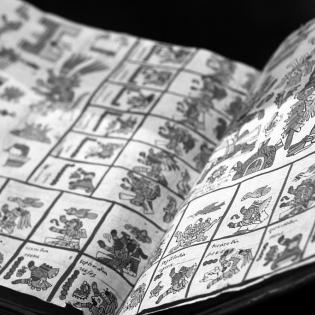
The Aztec culture is rich with beautiful art and artifacts to view and appreciate. Add to the richness of the lesson by having available books and illustrations with images of Aztec art. Some families may have reproductions of Aztec art or pieces of art that are influenced by the Aztec culture. Invite students and families to share what they have. If you have students who have lived in or visited Mexico, ask them to talk to the class about what they have seen related to the Aztec culture. They may have pictures of the pyramids and ruins of the Aztecs or Mayans that would be interesting to share.

State Curriculum and Philanthropy Theme Frameworks:

See individual lessons for benchmark detail.

Lessons Developed and Piloted By:

Cheryl Carr
Bridgman Public Schools
Reed Middle School
10254 California Road
Bridgman, MI 49106

Submit a Comment

All rights reserved. Permission is granted to freely use this information for nonprofit (noncommercial), educational purposes only. Copyright must be acknowledged on all copies.

Copyright © LearningToGive.org